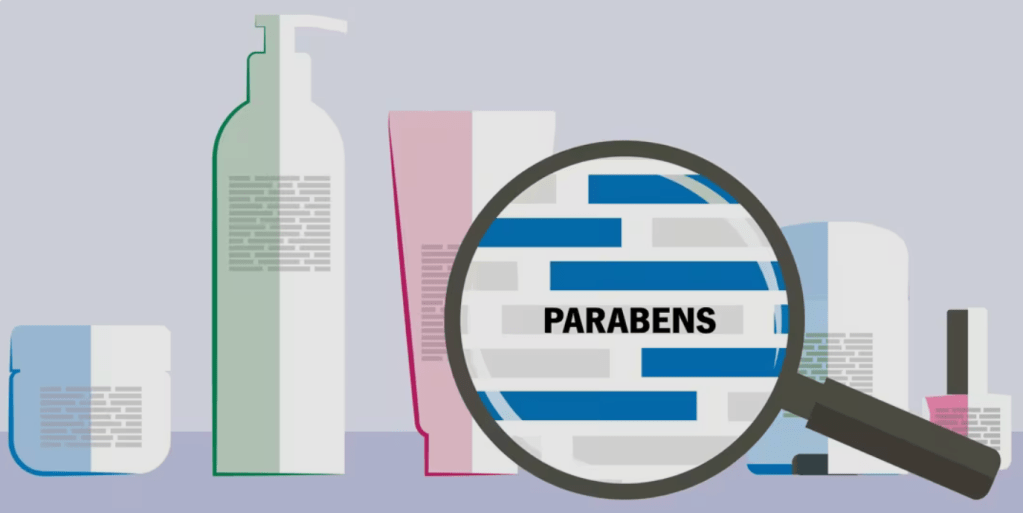
What Are Parabens? The Truth About These Common Preservatives in Your Products
If you’ve ever flipped over a bottle of shampoo or body wash and noticed ingredients like methylparaben or propylparaben, you’re not alone in wondering what they actually are—and whether they’re safe.
Parabens have been widely used for decades, yet they’ve also become one of the most debated ingredients in personal care.
So let’s break it down clearly: what parabens are, why they’re used, and whether you should avoid them.
1. What Are Parabens?
Parabens are synthetic preservatives used to prevent the growth of bacteria, mold, and yeast in products.
Common types include:
- Methylparaben
- Propylparaben
- Butylparaben
- Ethylparaben
They’re extremely effective at keeping products fresh and safe for long periods of time.
2. Where Are Parabens Found?
Parabens are everywhere in conventional personal care products, including:
- Body washes and soaps
- Shampoos and conditioners
- Lotions and moisturizers
- Makeup and cosmetics
- Shaving products
They can also appear in some processed foods and medications.
3. Why Are They Used So Often?
From a manufacturing standpoint, parabens check a lot of boxes:
- Low cost
- Highly effective
- Long shelf-life stability
Without preservatives, products could spoil quickly or grow harmful bacteria—so the need for preservation itself is valid.
The question is which preservatives are safest.
4. How Do Parabens Enter the Body?
Parabens are primarily absorbed through the skin when you apply personal care products.
Research has detected parabens in:
- Urine
- Blood
- Breast tissue
This doesn’t automatically mean harm—but it does confirm that exposure is happening regularly.
5. The Hormone Disruption Concern
This is where the controversy begins.
Parabens can mimic estrogen, a key hormone in the body. Because of this, they are considered endocrine disruptors.
Why this matters:
- Hormones regulate everything from metabolism to reproduction
- Even small disruptions can have long-term effects over time
6. Potential Health Risks (What the Research Suggests)
Some studies have raised concerns about links between parabens and:
- Breast cancer
- Reproductive issues
- Developmental effects
It’s important to be precise here:
👉 The evidence is not fully conclusive, but it is strong enough to raise concern and warrant caution.
7. Environmental Impact
Parabens don’t just affect humans—they’ve also been found in:
- Water systems
- Marine life
Because of their hormone-mimicking properties, they may interfere with aquatic ecosystems as well.
8. Are Parabens Regulated?
Yes—but this is where opinions differ.
Some regulatory bodies say parabens are safe at low levels.
However, critics argue that:
- Regulations don’t fully account for daily, cumulative exposure
- Multiple products used together may increase total intake
9. Why “Paraben-Free” Is Growing
Consumer awareness has shifted dramatically.
More people are asking:
- What am I putting on my skin daily?
- How do these ingredients affect my long-term health?
As a result, many brands are moving toward paraben-free formulations using alternative preservation systems.
10. Should You Avoid Parabens?
Here’s the balanced takeaway:
- Parabens are effective preservatives
- There is ongoing scientific debate about their safety
- Long-term, cumulative exposure is still not fully understood
A practical approach:
- Limit exposure where possible
- Choose products with safer, well-researched alternatives
- Be especially mindful for children and during pregnancy
Final Thoughts
Your skin absorbs much of what you put on it—day after day, year after year.
That’s why even small ingredient choices can matter over time.
Choosing cleaner, thoughtfully formulated products isn’t about fear—it’s about being informed and intentional.
 The Purest Path
Leave a comment